
Quick Summary
Professional chimney cleaning in Lake Grove is essential for preventing dangerous chimney fires, draft failures, and structural water damage across residential venting systems. Sterling Chimney Cleaning Bridgeport delivers owner-operated, dust-contained sweeping alongside multi-point safety diagnostics that resolve root-cause flue and masonry defects without messy job sites. Readers will understand key warning signs of flue deterioration and can call to schedule a complete chimney inspection and request a free detailed written estimate.
Chimney Cleaning in Lake Grove – Professional Sweep & Inspection
If you need chimney cleaning in Lake Grove, booking a professional sweep and safety inspection keeps your heating system running safely and efficiently. An effective service involves far more than brushing out loose soot from the firebox. Surface-level cleaning alone often overlooks hairline flue cracks, water leaks, and hardened glazed creosote. The safety stakes are real: the U.S. Consumer Product Safety Commission estimated that an annual average of 15,400 residential structure fires involved a fireplace, chimney, or chimney connector between 2020 and 2022.[1]
Professional sweeps, such as the technicians at Sterling Chimney Cleaning Bridgeport, use dedicated containment systems to keep dust and soot out of your home while diagnosing venting problems, draft issues, and hidden masonry decay before you light your next fire.
What does professional chimney cleaning in Lake Grove involve?
Quick answer: Professional chimney cleaning in Lake Grove removes dangerous creosote buildup, clears drafting blockages, and examines the flue, damper, and exterior masonry for hidden structural or water damage.
A complete appointment pairs creosote removal with a practical inspection of your flue liner, damper assembly, and exterior brickwork. Technicians use high-powered HEPA dust-collection systems and specialized rotary tools to strip away combustible deposits without allowing soot or dust to settle into your living space.
Treating a sweep as a simple cosmetic task creates a dangerous illusion of safety. Creosote forms as wood smoke cools along the flue walls, and it quickly hardens into a volatile fuel source. According to the U.S. Fire Administration, failure to clean heating equipment was the leading factor in 25% of residential heating fires between 2014 and 2018. A proper sweep clears that fuel source while checking that the structure can safely handle high temperatures.[4]
What factors influence chimney cleaning costs?
According to the National Fire Protection Association, an estimated 13,120 chimney or flue fires occurred annually between 2016 and 2020. As experienced providers like Sterling Chimney Cleaning Bridgeport point out, several practical elements dictate the scope and cost of your appointment:[2]
- Level of Creosote Buildup: Light, powdery soot is fast to sweep, whereas thick, glossy glazed creosote requires specialized treatments and extra labor.
- Roof Pitch and Accessibility: Multi-story homes, steep roofs, and complex multi-flue setups require additional safety rigging and setup time.
- Moisture Damage and Masonry Repairs: Water penetration through a cracked crown, damaged flashing, or spalling brickwork often requires targeted repair work to keep the chimney structurally sound.
- Appliance Type: Freestanding wood stoves, pellet inserts, and oil-fired heating flues each require specific cleaning methods and connection checks.
What is included in a professional chimney sweep and safety inspection?
Need chimney cleaning in Lake Grove?
We’re available now — call for a fast, free estimate.
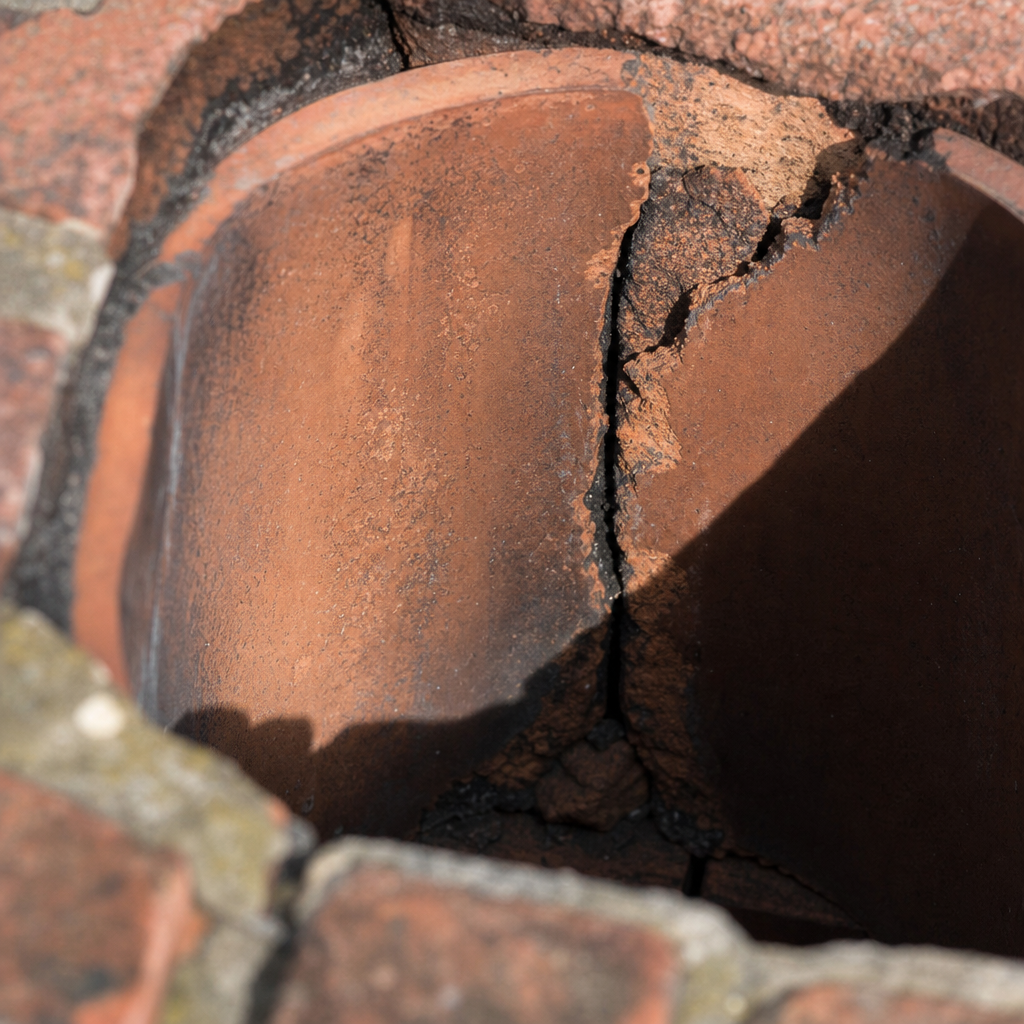
A professional service clears soot and debris from the flue and firebox while verifying that the entire venting system is structurally sound, draft-efficient, and watertight.
Creosote removal and firebox cleaning
Every sweep follows methodical steps to protect your home’s indoor air quality:
- Hearth and living room protection: Clean drop cloths cover the floor, and industrial HEPA vacuums run continuously to capture airborne particles.
- Mechanical flue sweeping: Specialized rods, wire brushes, or rotary whip systems scrape creosote from the flue walls from top to bottom.
- Smoke chamber and shelf clearing: Technicians vacuum the smoke shelf behind the damper and clear all fallen soot and ash from the firebox.
Flue liner and damper diagnostic
Data from the U.S. Fire Administration shows that confined fires (those limited to chimneys, flues, or fuel burners) accounted for 77% of residential heating fires between 2017 and 2019. Technicians, such as those from Sterling Chimney Cleaning Bridgeport, inspect the terracotta clay tiles or stainless steel liner for cracks, gaps in mortar joints, or corrosion that could allow heat and carbon monoxide to escape into attic spaces or wall framing.[3]
Chimney cap, crown, and masonry inspection
A thorough evaluation covers the top of the stack. Sweeps check that the chimney cap and spark arrestor keep out rain, leaves, and nesting animals, while inspecting the concrete crown and roof flashing for cracks that permit water intrusion.
How do you know when your chimney requires repair or relining?
You should arrange an inspection if you notice clay shards on your hearth floor, strong soot smells when the fireplace is unlit, smoke rolling back into your room, or crumbling exterior mortar. These symptoms point to moisture intrusion or liner failure, which can expose adjacent home framing to dangerous heat levels.
Visible warning signs of structural decay
Focusing strictly on soot removal leaves major structural flaws unaddressed. Look for these warning signs around your fireplace and exterior chimney stack:
| Defect | Primary Warning Sign | Recommended Resolution |
|---|---|---|
| Deteriorated Flue Liner | Clay shards inside firebox; smoke backdrafting | Stainless steel flue relining |
| Cracked Masonry Crown | Water pooled in firebox; white efflorescence on brick | Crown resurfacing or custom pour |
| Corroded Chase Top or Flashing | Ceiling water rings near chimney; rusted damper | Flashing resealing or new metal chase cover |
| Third-Degree Glazed Creosote | Hard, tar-like coating inside flue; poor draft | Chemical remediation and rotary descaling |
Why a structural moisture inspection matters alongside sweeping
Water is masonry’s greatest enemy, especially during seasonal storms and freeze-thaw cycles. When moisture enters hairline cracks in the chimney crown or porous bricks, winter freezes expand the water, spalling the brick faces and degrading the mortar joints from the inside out.
According to Sterling Chimney Cleaning Bridgeport, a sweep that only clears soot without checking for water leaks misses the root cause of chimney decay. Combining soot removal with a structural moisture check ensures that caps, crowns, and flashing work together to keep rain and snow out of your heating system.
Frequently asked questions about chimney sweeping in Lake Grove
How often should I have my chimney swept in Lake Grove?
The National Fire Protection Association (NFPA 211 standard) recommends that chimneys, fireplaces, and vents be inspected and cleaned at least once a year, or whenever you notice draft problems.
How long does a typical chimney cleaning service visit take?
According to Sterling Chimney Cleaning Bridgeport, a standard chimney sweeping and safety inspection typically takes 45 to 90 minutes. If extensive glazed creosote removal, masonry repairs, or flue relining diagnostics are needed, the visit may take longer.
Are chimney sweeps licensed and insured in Lake Grove?
Homeowners should ensure that chimney contractors carry appropriate local licensing, general liability coverage, and workers’ compensation insurance before starting work.
How do I know if my chimney needs sweeping?
Signs that your chimney needs sweeping include a strong campfire or asphalt smell when the fireplace is off, sluggish draft that pushes smoke into the room, a heavy black creosote layer inside the firebox, or animal noises coming from the flue.
How do I prepare before the technician arrives?
Do not burn a fire in your fireplace or stove for at least 24 hours before your scheduled appointment so the firebox and flue are completely cool. Clear a five-to-six-foot path around the hearth, remove fragile decorations from the mantel, and keep pets in another room during the service.
Need chimney cleaning in Lake Grove?
We’re available now — call for a fast, free estimate.
Sources
- 2018 – 2020 | Residential Fire Loss Estimates | August 2023 – cpsc.gov (2023)
- Home Fires Involving Heating Equipment – bismarcknd.gov (2016)
- Heating Fires in Residential Buildings (2017-2019) – usfa.fema.gov (2019)
- Safety with heating equipment | NFPA – nfpa.org (2024)
Related reading: Chimney Cleaning in Hauppauge – Call Now-10% Off – Same-Day Service – Free Estimate
Chimney Cleaning in Nearby Cities
We also serve the communities around Lake Grove:
- Chimney Cleaning in Kings Park
- Chimney Cleaning in Saint James
- Chimney Cleaning in Commack
- Chimney Cleaning in Fort Salonga
Frequently Asked Questions
What happens if a cracked flue liner or water leak is discovered during a cleaning?
If structural defects or moisture intrusion are detected during your sweep, Sterling Chimney Cleaning Bridgeport provides an upfront, detailed written estimate outlining targeted solutions like stainless steel relining or crown repair. Gary Murphy's hands-on approach ensures direct accountability and lasting repairs without relying on rotating subcontractor crews.
How does Sterling Chimney Cleaning Bridgeport prevent soot and dust from entering the home?
Technicians use industrial-grade HEPA dust-containment vacuums alongside clean floor drop cloths to seal the hearth workspace before sweeping begins. This dust-contained method captures airborne creosote and ash particles at the source, keeping your living area completely clean.
How is third-degree glazed creosote removed from a Lake Grove chimney?
Because hardened, glossy creosote resists standard sweeping brushes, it requires specialized chemical remediation combined with mechanical rotary descaling tools. Sterling Chimney Cleaning Bridgeport thoroughly breaks down and removes these combustible layers to restore safe draft efficiency and eliminate major fire risks.
About the author
 |
Daniel Preston Daniel Preston is a certified chimney sweep with over 12 years of hands-on experience in residential masonry and chimney maintenance. Holding a certification from the Chimney Safety Institute of America (CSIA), he specializes in translating complex safety standards into actionable advice for homeowners. Daniel focuses on providing clear, accessible information regarding emergency repairs, routine maintenance, and inspection best practices to help families maintain safe and efficient heating systems. |
Chimney overdue for a cleaning or inspection?
We’re available now — call for a fast, free estimate.
Call Now - Free Estimate